Designing the Perfect Personalized Fresh Boxes: A Progressive Guide
Constructing specialized fruit and vegetable boxes requires a deliberate approach. Professionals must consider environmental impact, practicality, and aesthetics. Choosing the right components is crucial for maintaining quality and supporting environmentally conscious methods. Additionally, dimensions and form can greatly impact usability and shipping effectiveness. Effective graphics strengthen company recognition, while thorough assessment ensures durability. Understanding these elements will discover key understanding into producing standout container solutions that resonate to consumers. What follows is fundamental to reaching those objectives.
Picking the Ideal Materials for Custom Produce Boxes
When determining materials for custom produce boxes, it is important to examine both functionality and environmental consideration. The type of material substantially shapes the box's durability, weight, and capacity to defend the contents. Common materials include corrugated cardboard, which offers strength and is recyclable, making it a favored choice for environmentally conscious businesses. Biodegradable options, such as molded pulp or plant-based plastics, also correspond with eco-conscious practices while providing ample protection for delicate produce.
In addition, moisture resistance is indispensable for maintaining freshness, prompting some producers to explore treated materials or tailored protective barriers. The aesthetic appeal of the box requires attention, as branding and visual presentation can influence market perception. Ultimately, the right material should maintain proportion between protecting the produce, drawing in buyers, and adhering to environmental standards, ensuring both functionality and sustainability are prioritized in the planning try now phase.
How to Choose Size and Shape for Operational Use?
When deciding on the form and dimensions of custom produce boxes, careful assessment of produce dimensions is crucial for proper storage. Additionally, considerations for movement and transportation can affect the box design, ensuring ease of movement. Optimizing storage space utilization further improves functionality, allowing for efficient display and storage.
Assess Produce Dimensions Carefully
Determining the proper size and shape for produce boxes is important for functionality and efficiency. Careful measurement of produce dimensions is essential, as it confirms that items fit firmly without extra room that might create damage during storage or transport. Made-to-order containers need to handle multiple shapes, from tender fruits to oversized produce, while maintaining durability. Additionally, the length and depth of the boxes should allow for proper layering and inventory control, making the best use of space in distribution centers. A quality-built box not only preserves the produce but also boosts market presentation for shoppers. Ultimately, deliberate consideration of dimensions supports waste prevention and improving supply chain experience in the logistics network.
Consider Handling and Transport Factors
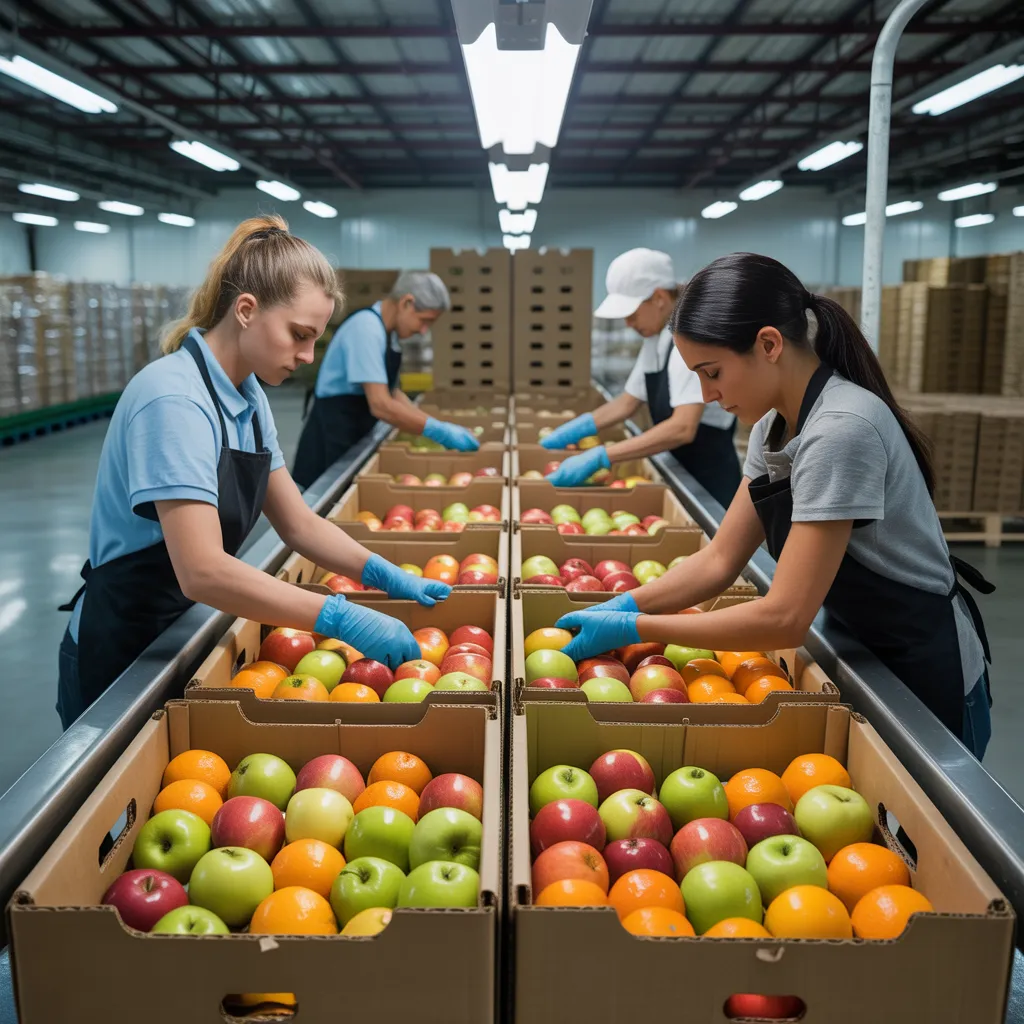
Handling and transport considerations serve as a considerable role in ascertaining the suitable size and contour of tailored produce packaging. The proportions should accommodate the items lacking surplus space, which could lead to shifting and deterioration throughout transit. Smaller, compact boxes facilitate more straightforward care, whereas larger boxes could become necessary for bulkier goods. Additionally, ergonomic design proves critical; grip areas or access ports should be deliberately placed to allow for pleasant lifting and moving. The shape that makes up the packaging likewise affects nesting and balance, ensuring where items keep protected. Ultimately, careful consideration of these considerations boosts the streamlining of transport, minimizes product loss, and preserves the comprehensive quality concerning the agricultural goods from orchard to purchaser.
Maximize Shelf Space Usage
Optimal shelf space usage is determined by selecting the best size and shape of bespoke produce boxes. Professionals should review the proportions of the shelving units as well as the types of foodstuffs being maintained. Rectangular boxes often promote efficient use of space, supporting for improved arrangement and fitting. Yet, distinctive shapes can amplify attractive appearance but may generate unutilized areas if not appropriately mapped out.
It's important to review the inventory turnover rate; quick-moving products might leverage smaller, conveniently positioned containers. Moreover, applying flexible or customizable designs can facilitate multiple sizes of produce while refining display organization. By focusing on practical design with visual appeal, organizations can construct a functional and attractive display that improves both accessibility and visibility of goods.
How to Design Graphics That Capture Interest?
Impactful designs can transform a simple custom produce box into a remarkable display that attracts regard. To succeed this, designers should start by selecting a color palette that reflects the freshness and vibrancy of the produce. Bright, eye-catching colors can stir feelings of freshness and health, driving consumers to take a closer look.
Bold typefaces is also essential; readable typefaces can effectively communicate crucial details while strengthening aesthetic charm. Additionally, using excellent photographs of the produce can create an immediate connection, presenting the item's superiority and motivating prospective clients.
In addition, incorporating distinctive visuals and patterns can assist in distinguishing the brand in a saturated market. Consistency in visual aspects, such as logos and taglines, reinforces brand identity. Ultimately, a mixture of creativity and clarity in visual design can greatly elevate the influence of custom produce boxes, helping them become distinctive on shelves.
Sustainable Practices for Custom Produce Box Packaging
A mounting count of firms are taking up eco-friendly practices for custom produce box packaging, recognizing its importance in today's environmentally conscious market. These protocols often incorporate the use of degradable materials, such as recycled paper and plant-based plastics, which curtail environmental impact. Companies are also focusing on sustainable sourcing, verifying that materials are obtained from responsibly managed forests or suppliers who prioritize environmental stewardship.
Also, many brands are choosing simple approaches that lower waste while still effectively showcasing their products. This method not only appeals to eco-minded consumers but also assists with decreasing production costs. Moreover, businesses are progressively establishing streamlined manufacturing processes that restrict energy consumption and waste generation. By integrating these sustainable practices, companies not only improve their brand image but also contribute positively to the planet, aligning their operations with a sustainable future.
Verify Your Made-to-Order Produce Box Design
Testing the layout of personalized vegetable containers is an crucial step in guaranteeing they satisfy both aesthetic and functional needs. This process typically involves evaluating factors such as strength, dimensions, and user-friendliness. First, samples must be developed to evaluate the box's physical stability, making certain it can withstand shipping and keeping without compromising the contents.
Next, user experience evaluations can be conducted to assess how effortlessly the boxes can be unlocked, sealed, and arranged. Input from potential users can be invaluable in this phase, offering insights into the box's functionality.
Additionally, the design's visual appeal should be tested through focus groups or surveys, gauging consumer feedback to branding elements, colors, and overall presentation.
In the end, comprehensive evaluation permits designers to improve the box, ensuring it not only attracts customers but also effectively safeguards and showcases the produce within, achieving the right equilibrium between form and function.
Successfully Publicize Your Made-to-Order Produce Boxes
Successful marketing of custom produce boxes demands a strategic approach that highlights their distinctive advantages and value. Businesses should focus on determining their target audience, such as local farms, grocery stores, or individual consumers. Utilizing social networking sites can boost brand awareness, showcasing the boxes' design and practicality through compelling visuals and storytelling.
Additionally, teaming up with neighborhood advocates and farming professionals can strengthen credibility and enlarge reach. Featuring promotions or discounts during seasonal peaks can capture initial customers and support sustained patronage.
Additionally, emphasizing environmental responsibility and green practices in marketing materials can resonate with eco-aware buyers. Providing comprehensive details about material composition and the benefits of custom packaging can better distinguish the offering in a crowded marketplace.
In the end, a extensive promotional approach that blends digital and grassroots efforts will efficiently market custom produce boxes, appealing to a diverse clientele and driving sales.
Frequently Asked Questions
What Are the Expenses Connected With Custom Produce Box Creation?
Costs related to custom produce box design include materials, printing, workforce expenses, and delivery. Additionally, design services and minimum order quantities can influence overall costs, leading to varying pricing based on specific requirements and manufacturing volume.
How Long Does Manufacturing of Custom Boxes Take?
The manufacturing of personalized packaging generally takes anywhere from two to six weeks. Factors affecting this schedule include intricacy of design, availability of materials, and production capacity, all of which may impact shipping timelines and turnaround periods.
Is it Possible to Buy a Small Volume of Tailored Produce Boxes?
Yes, small quantities of tailored vegetable containers can typically be purchased. Many vendors offer minimum order quantities, enabling businesses or individuals to obtain tailored packaging solutions without needing to commit to substantial volumes initially.
What Common Blunders Must Be Prevented in Made-to-Order Box Design?
Common pitfalls in custom box creation include neglecting functionality, ignoring brand consistency, underestimating material quality, overlooking target audience preferences, and overlooking environmental impact. Each aspect is essential for effective packaging and customer satisfaction.
What Steps Should I Take to Verify My Boxes Are Food-Safe?
To verify boxes maintain food-safe standards, individuals must choose compounds approved for food contact, avoid dangerous inks and adhesives, maintain cleanliness during production, and routinely evaluate for compliance with health regulations and safety standards.